
UK Residential Park Home Market Overview

A period of renewed focus is currently being experienced within the UK residential park home market, with demand continuing to rise across many regions. Among downsizers and retirees, this specialist housing sector is increasingly being regarded not only as an affordable alternative to traditional housing, but as a long-term lifestyle choice offering community living, enhanced security, and financial benefits.

The park home market is widely viewed as being relatively insulated from fluctuations in the wider bricks-and-mortar property sector. While uncertainty continues to affect traditional house prices, strong demand for single-storey accommodation within managed residential communities has been maintained. As a result, average park home values have been driven upward, with some areas recording price growth in excess of 6% in recent market data.
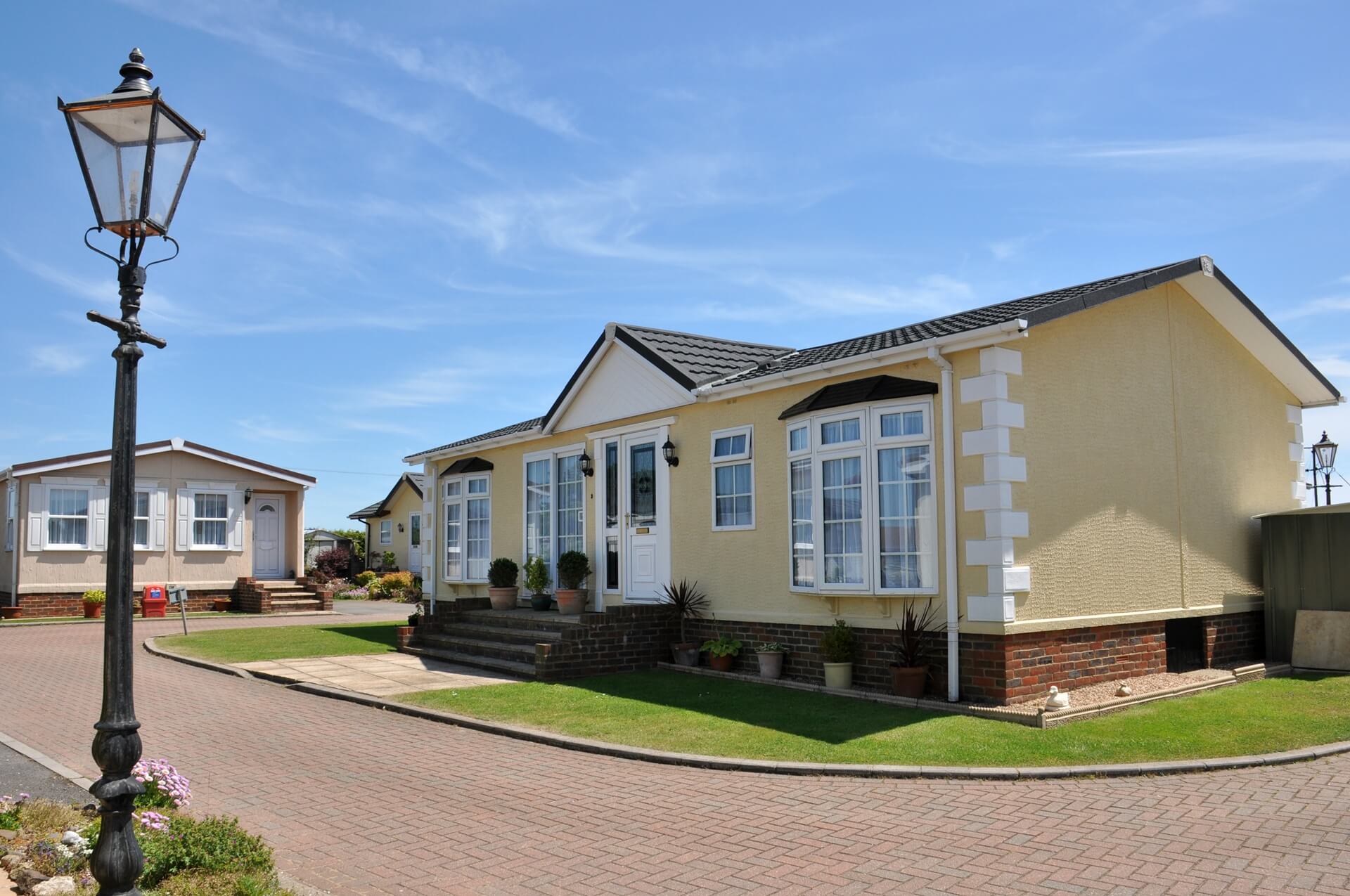

The Buying Landscape: Demand and Affordability

High levels of buyer interest have been sustained due to the affordability and accessibility associated with residential park homes.

Key Benefits for Buyers

Financial advantages are frequently cited as a major attraction. Park homes are exempt from Stamp Duty Land Tax (SDLT), allowing substantial savings when compared with the purchase of traditional houses or bungalows. In addition, most park homes fall within Council Tax Band A, helping to keep ongoing living costs lower.

A faster and more certain buying process is also commonly experienced. As long property chains are usually avoided, completion can often be achieved within a matter of weeks, providing reassurance for buyers navigating a downsizing move.

A community-focused lifestyle is promoted on most residential parks, where minimum age restrictions (typically 50+ or 55+) are enforced. These restrictions help create a peaceful and like-minded environment, often within attractive rural or coastal locations.

Legal protections are provided under the Mobile Homes Act 1983 (as amended). These protections include security of tenure, allowing the home to remain on the pitch indefinitely, and the legal right for the home to be sold on the open market.


Important Considerations for Buyers

Due to the ownership structure of park homes, traditional mortgage finance is not available. While the home itself is purchased, the land (pitch) is leased. As a result, purchases are typically funded using cash, equity released from a previous property sale, or specialist park home finance products.

A monthly pitch fee is payable to the site owner for the use of the land and maintenance of communal areas. Upon resale, the site owner is legally entitled to receive a commission of up to 10% of the sale price.

Prior to purchase, it is essential that full due diligence is undertaken. Confirmation should be obtained that the park holds a valid Residential Status Licence, rather than a holiday licence. The Written Statement (Pitch Agreement) and park rules should be carefully reviewed before any commitment is made.


The Selling Process: Maximising Value in a High-Demand Market

For existing park home owners, current market conditions present a favourable opportunity to sell, provided the process is managed in accordance with the specific legislation governing residential park homes.

Key Steps for Sellers

Effective preparation is considered essential. First impressions are heavily influenced by external presentation, including tidy gardens, clean patios, and a well-maintained exterior. Internally, decluttering, addressing minor repairs, and ensuring fixtures and fittings are in good working order can significantly enhance appeal. It should be noted that Energy Performance Certificates (EPCs) are not required for park homes.

While private sales are permitted, specialist park home agents are often instructed due to their knowledge of the sector and understanding of the relevant legal framework. Access is also provided to a pool of pre-qualified buyers actively seeking park homes.


Legal Requirements When Selling a Park Home

The sale of a residential park home is regulated under the Mobile Homes Act and must follow a defined process.

A Notice of Proposed Sale is required to be completed. All relevant documentation, including the Pitch Agreement and park rules, must be supplied to the buyer at least 28 days prior to completion, unless a shorter period is agreed.

The sale is completed through the assignment of the pitch agreement to the new owner, which must be formally documented. During this process, the site owner is entitled to receive up to 10% commission from the sale price.

Objections to a sale may only be raised on limited grounds, typically relating to age restrictions, pets, or vehicles. Any objection must be referred to a tribunal for consideration.


Outlook for the UK Park Home Sector

The residential park home sector continues to be defined by stability, affordability, and lifestyle appeal. As demand grows for efficient, community-based housing options among an ageing population, sustained interest in park homes is expected to continue.

For both buyers and sellers, successful outcomes are most commonly achieved where the legal framework is fully understood and specialist advice is sought at each stage of the transaction.